
At some time in every child’s party, there is the turning point that makes or breaks–that is the turning point when we hear the squeals of laughter, then the light of all the little faces, then the joy, and the happy moments. The shift in the air in a room is not that of good food, but that of a party. The secret ingredient? The right games at the right time.
Whether it is a birthday party, a holiday outing, or even a simple play day, the games you play may turn a room full of squirming children into a pool of laughs, cooperation and lifetime memories. This is the reason you must select the games which will please all and will not cause you a fortune to organize, and keep the children on the alert.
These are a few party activities between children that will definitely be a success.
1. Musical Chairs
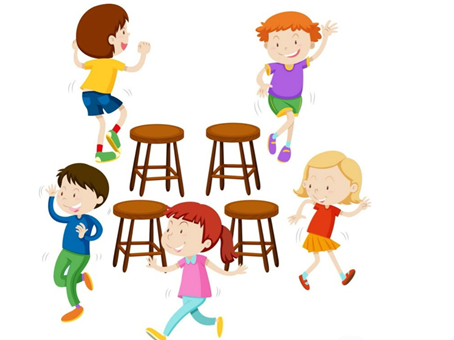
This is a game that is great for almost any age category. Prepare the chairs in a circle (one less than the number of players), play music and ask children to move around the chairs. When the music stops, all the kids run to sit down. One of the children remains standing, and that kid has lost out of the game. Again, one of the chairs is removed to have the next round. It continues till only one kid wins. Listening and the ability to react fast, as well as the energy level, are developed during this game.
2. Duck, Duck, Goose
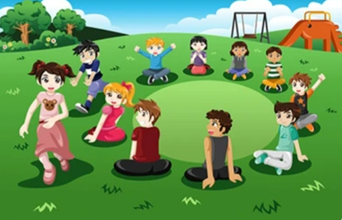
This game is ideal for younger children aged three to seven years old as an easy circle game that does not require any equipment and can be described with minimal effort. A group of players sit in a circle, facing inward, while another player, who is “it”, walks around tapping or pointing to each player in turn, calling each a “duck” until finally calling one a “goose”, which designates the chosen player as the chaser. The chaser (goose) then stands and tries to tag the chasee (it), while the chasee tries to return to and sit where the chaser had been sitting before. If the chasee (it) succeeds, the chaser (goose) becomes the chasee, and the process begins again. If the chaser (goose) tags the chasee (it), the chaser (goose) may return to their previous spot, and the original chasee (it) restarts the process.
3. Pin the Tail on the Donkey
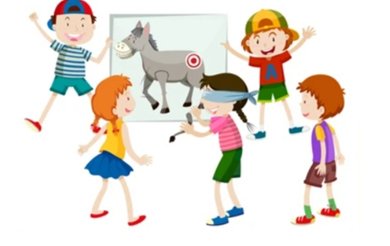
It has spawned millions of variations of this classic game (pin the nose on the clown, pin the star on the unicorn, etc.) that were inspired by it. Blindfold a child, spin it and request the child to also strive to pin a piece of paper tail to a poster of a donkey stuck on the wall. The one that has the closest tail to the right one wins. The game is wonderful for developing spatial perception and comic entertainment for the audience.
4. Simon Says
This is one of the amazing games that may be used to teach direction, following and listening. Simon is one of the players; he/she places orders on him or her (Simon says touch your toes). The players must only follow the commands which begin with the word Simon. Whoever, without that word, maintains an order, is out. The other participant becomes the next Simon.
5. Freeze Dance
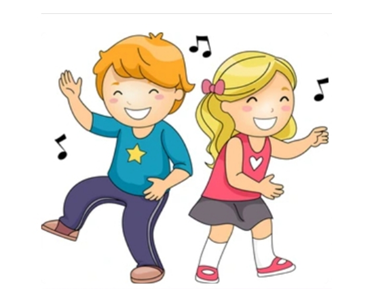
Play music and get children to dance. As soon as the music is turned off, everybody must stop and be as quiet as possible. Everybody who moves goes (or less competitive, one can be making an embarrassing pose). This game is perfect with respect to energy burning, in addition to body control and musical awareness building.
6. Relay Race
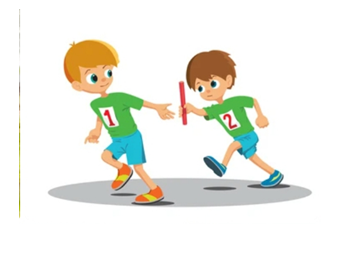
Create a team of about 5 to 7 kids per team. Place them at different points, and the first kid holding an egg on a spoon, passing a balloon between knees or keeping a cup of water, passes it to the next kid, continue till the last kid on that team. The team that finishes first becomes the winner. Besides providing a lot of physical exercise, relay races are a lesson in teamwork and fair play. It can be themed on whatever you want your party to be (dinosaur walks, superhero speed challenge, etc.)
7. Telephone Game
Children sit in a circle or in a row. The first person whispers the message to the next, the next to the next and so forth. The ability to speak out the message by the last person makes it so funny that it is the very opposite of what the original message was. It is the simplest game which teaches about communication, and this game could really amuse because of the unpredictable outcomes.
8. Treasure Hunt

Have small gifts (toys or candy, etc.) prepared in advance and hide them around the area of the party and provide some clues or maps to find them. This game can be made according to your theme of party theme.
9. Obstacle Course
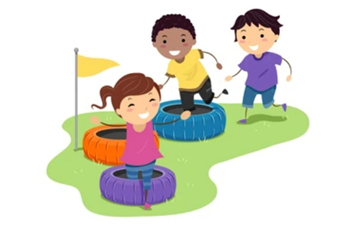
Make a fun and challenging workout using things used in the home, such as hula hoops, cones and jump ropes. Children will learn to run on it on teams or individually.
10. Arts and Crafts Station
Using paper, craft kits, markers and stickers, prepare a table with the theme. Children will be in a position to create their party decorations, including masks or decorations in frames.
11. Guess That Sound
Make ordinary sounds of things or animals, and make children guess what they are. It would be a good game to play with children who are younger in age, and it can be used to develop listening skills.
12. Giant bubbles
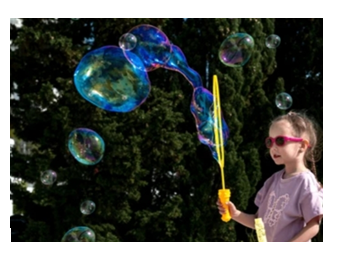
The giant bubbles are a fun game for kids. The only thing you would need to do is to prepare a simple bubble solution and bubble wands. The kids run about, making and popping the bubbles.
13. Kim’s game (memory game)
It is not a novel game, but a great silent game that requires a certain degree of concentration and attention. You place on a tray a collection of small objects, and allow the group a minute to look at it. Then you take off the tray and allow two minutes for the children to compose all the things they can remember. He that remembers last longest!
14. Limbo
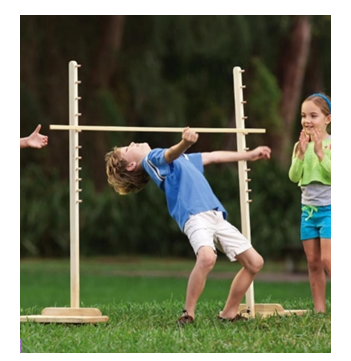
This party game is particularly suitable for children. Two adults, some music and a broomstick are all that people require. Watch children as they switch as they strive to pass under the stick without hitting the stick and falling. You can also buy a nice inflatable limbo set online at a price that you will not have much to think over.
15. Candy Bar Game
This game is quite fun, and the children are highly motivated to play the game since they are provided with a candy bar. Puts a tray of candy bars in the middle of the table. Then, take turns rolling a die. Whenever one rolls a one or a six, he picks a candy bar. Continue doing this until you have eaten all the candy bars. Another option available to the players is stealing candy bars from other players. It’s super fun!
Tips in Planning Party Games for Kids
- Plan More Than You Need. Always have other games in mind. Some games will not drop as they are supposed to, or you will experience things faster than you imagined. Having contingency plans helps to get rid of embarrassing lapses.
- Consider Your Space. Match games to your venue. The kinds of activities needed in parties held indoors are different as compared to the activities needed in parties held outdoors. Physical games are to be organized with consideration of the height of ceilings, furniture and floor surfaces.
- Have Clear Rules. Give explanations of the rules and, when required, demonstrate them before commencing any game. Ask if anyone has questions. Explicit expectations allow no disagreements and ensure the smooth running of the games.
- Keep Everyone Included. Elimination games must be discouraged, or eliminated competitors must be converted to helpers, judges or cheerleaders. No child has to spend the larger portion of the party as an outcast.
- Always be flexible and open to the activities and interests of children. It is not necessary to push a non-working game, but to change the game. When they fall in love with something, they extend it longer than they had planned.
- Mix Active and Calm. Alternate the high-energy games with the less loud games so as not to exhaust anyone and not to lose interest in the time spent at the party.
- Age-Finally Prizes. In the matter of prizes, it is important to make sure that they are of an age-appropriate nature, and everyone is awarded one, even in the form of participation recognition. Small toys, candy, stickers and certificates would be effective.
- Avoid over-competitive games for young children. Younger children are usually distressed by being beaten in a healthy competition, but older children are okay with it. In the preschool and early elementary age groups, concentrate on fun rather than winning.
- Don’t let games run too long. The attention span of children is low. Once you see that the level of engagement is declining, you should finish the game you are on and proceed to a new one instead of attempting to coerce the same player into paying attention.
- Monitor safety concerns, particularly with active games. Make sure there is a lot of space, eliminate dangers and watch carefully. Think about children with mobility problems or other special needs and make the games accessible.
Wrapping Up
The most enjoyable party games form the moments of pure childhood happiness, the moments of spontaneous outburst of laughter, the proud smile of the child who finally got the goose, and the group effort of children trying to complete a scavenger hunt. Through careful planning, definite guidelines and sincere interest, your party games will leave memories that children and parents will discuss throughout the years once all the balloons are deflated.