
There’s a moment at every party—the laughter fades just enough, the music dips, and someone says the words that change the night:
“Truth or dare?”
Suddenly, everyone leans in.
Truth or Dare is a mostly verbal party game that requires two or more players. At its core, it’s simple: answer a question honestly or complete a dare.
But beneath that simplicity lies something far more powerful. It’s not just a game—it’s a social spark. A way to break walls, reveal secrets, and create memories people laugh about years later.
That’s why it has stayed popular for so long, especially among adolescents and children. It turns awkward silences into stories. It transforms strangers into friends. And sometimes, it pushes us just enough outside our comfort zones to feel alive.
A Game Older Than You Think
Interestingly, Truth or Dare has been around for centuries. Behind its playful and innocent surface is a surprisingly rich history.
The earliest versions of the game date back to 16th-century England, where it was known as “Questions and Commands.”
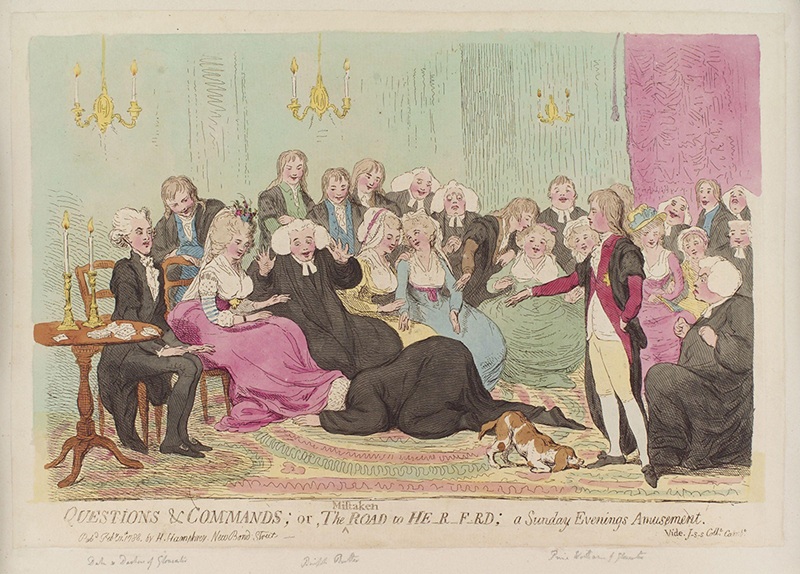
Over the centuries, it was used for social bonding, entertainment, and flirting, especially in England.
By the Victorian era, it became a common party and holiday game, sometimes with penalties for refusing.
In the 19th century, it spread widely as an evening pastime, appeared in books and illustrations, and later evolved into the modern Truth or Dare known today, becoming part of global pop culture in the 20th century.
How one king played it (historically accurate context)
During the 17th century in England, when King Charles II ruled, Questions and Commands was played among the English upper classes and court society. The game was commonly used for courtship and flirtation, which fit the social culture of Charles II’s court, known for its relaxed morals and lively entertainments.
While there is no record of the king personally playing, the game was played in the same elite social circles surrounding the monarchy, making it part of the social life of his era.
Unlike today, it isn’t just a teen party —it was a social game played by adults, often in formal gatherings.
Yes, it’s that old.
There’s even reason to believe that royals indulged in it. Historians suggest that King Louis XIV of France may have played a version of the game in court—proof that curiosity, confession, and a little boldness have always been part of human nature.
Over time, the game evolved, adapting to cultures, generations, and social norms. But its core never changed: honesty, courage, and connection.
Why It Still Works Today
So why has Truth or Dare survived when so many games disappeared?
Because people haven’t changed.
We still crave connection. We still love secrets whispered in confidence, dares that make us laugh until our stomachs hurt, and moments that feel spontaneous and real. Truth or Dare gives us permission to be vulnerable—or reckless—in a safe, playful way.
It’s a mirror and a spotlight at the same time.
The Digital Age: Where the Game Lives On
Today, Truth or Dare has found a new home in the digital age. Online parties, apps, and interactive platforms have taken the classic game and reimagined it for modern players. No cards. No awkward pauses. Just endless creativity and fun at the tap of a screen.
That’s where Partyfull comes in.
Partyfull brings Truth or Dare into the now—making it easier, bolder, and more exciting for game nights, hangouts, and unforgettable moments with friends. Whether you’re looking for clean fun, wild dares, or deep truths, Partyfull keeps the magic alive—without killing the vibe.
Ready to Play?
If you’re ready to dive into the fun, explore this comprehensive guide filled with rules, tips, and creative ideas to turn any gathering into a night people will talk about long after it ends.
Because sometimes, all it takes is one question…
Truth—or dare? 😏